TW: This article contains a discussion about suicide, mental health, and disability.
Still buzzing with excitement and energy from our annual event, the Cerebral Palsy Social and World Cerebral Palsy Day, our community was deeply shaken by the sudden passing of actor, RJ Mitte. RJ had cerebral palsy and many of us grew up in parallel with his rise to fame on the Emmy Award-winning television show, Breaking Bad. The world knew him as a disabled actor who played a disabled character. It sounds pretty expected now, but at the time, it was so radical for us to see someone with CP on television. He moved like us, he used mobility aids, he had a distinct way of speaking like many people with cerebral palsy do. We won't get into a full dissection of how his disability was represented in the show, but it's safe to say many of us remember seeing him for the first time and it was powerful to see parts of our own lives play out on screen.
Now, most of didn't know RJ personally, but somehow — it felt as though we did. We knew him through our shared experience of lifelong disability. While cerebral palsy impacts everyone differently, there is a distinct familiarity that we all share, growing up and having to navigate the changes and challenges that come with the territory of physical disability: the impact of premature aging on the body that literally wears us down, the social stigma and ableism that persists can really wear us down, too. In fact, a CDC study claims that adults with disabilities report experiencing frequent mental distress almost five times as often as adults without disabilities.
So that brings us back to RJ — who, at 34, decided to end his own life. As an adult living with cerebral palsy, it is not difficult to imagine why RJ made this permanent decision. The uncomfortable truth is that life with a physical disability is really hard. The mental, emotional, and physical toll that cerebral palsy can have on a person is immense. But the burden is not ours to carry alone.
RJ Mitte’s death is extremely upsetting and unsettling for so many reasons, on so many levels. So to honor him, we must talk about mental health and disability. We must have an open and honest dialogue about what it’s like to live with a disability in a world that places less value on people whose lifestyle and needs stray from the norm. We must call for more care, more concern, more support, and more understanding of what it’s like to move through the world with disability.
We cannot pretend to know his mental state in the days leading up to his death, but we can dare to wonder what might’ve happened had he gotten the chance to attend our CP Social event a week prior to his death. We can wonder if he would’ve felt a glimpse of joy and a sense of belonging among other adults with CP. Would that have changed anything for him? To be in community with dozens of other people who move, walk, and talk just like he did. Sadly, we will never know.
As we move forward, may RJ be remembered for all of the things that made him the magnetic person that he was and may his soul and body rest now. May we also continue find ways to build community and connection for adults with cerebral palsy. The aforementioned CDC study concludes that “increasing social cohesion, community participation, access to health promotion opportunities, and delivery of mental health screening, care, and support services could help reduce mental distress among adults with disabilities.” Yes — the need is clearly expansive — with over 1 million adults with CP in the United States alone, this cannot wait. The importance and urgency for greater social support and mental heath care for adults with disabilities cannot be understated.
We know that bringing people with CP together online and in real life can help us all feel less alone and more supported and understood by a group of peers. This act of togetherness can save lives.
At Cerebral Palsy Strong, we’ve made it our mission to build a cerebral palsy community where we make connections and find a sense of belonging while navigating life with a disability. We do this through storytelling, organizing in-person events, and fostering connection in the spaces we create.
We hope you’ll consider supporting our work so we can stay focused on what matters to our community.
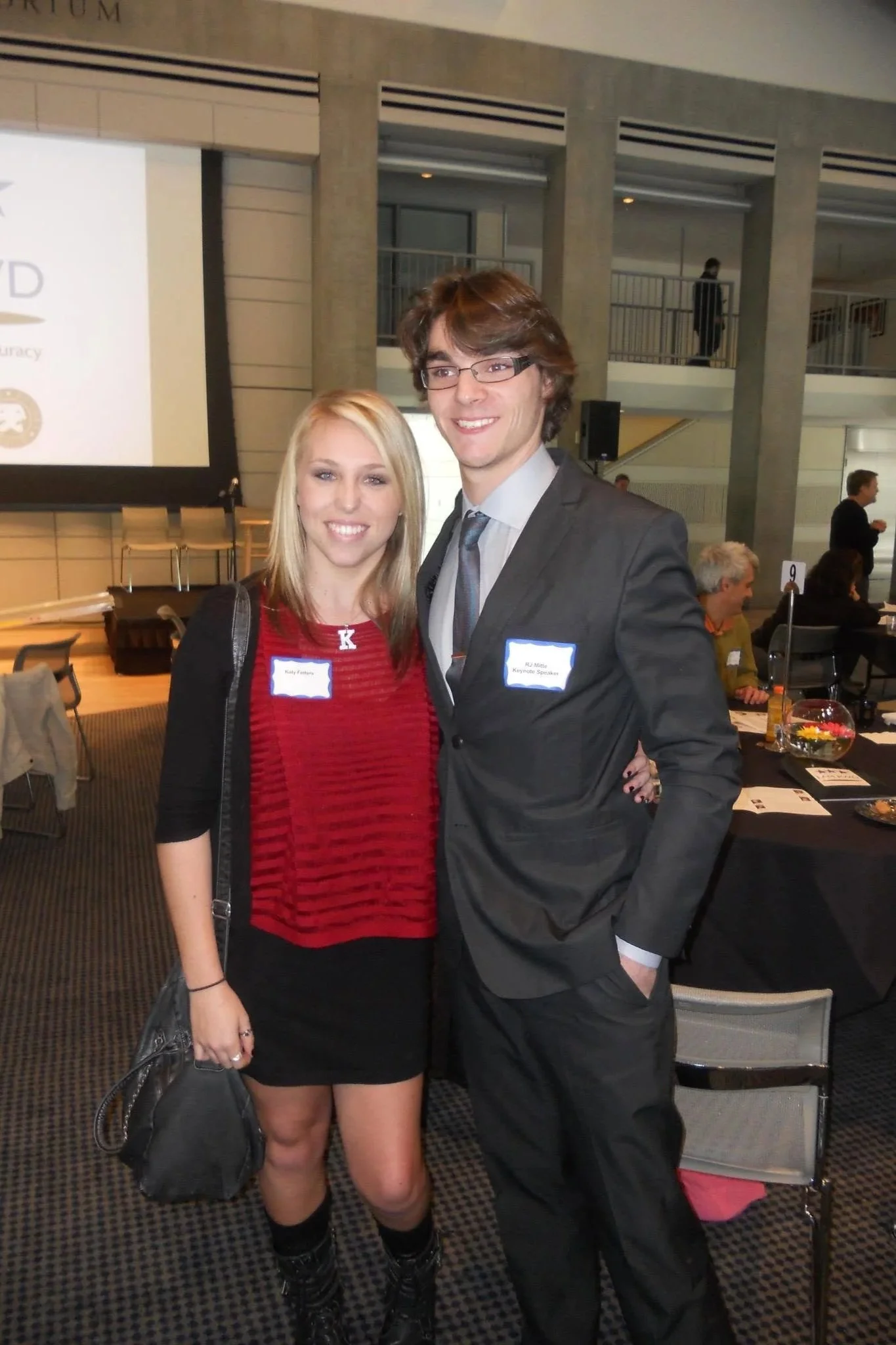
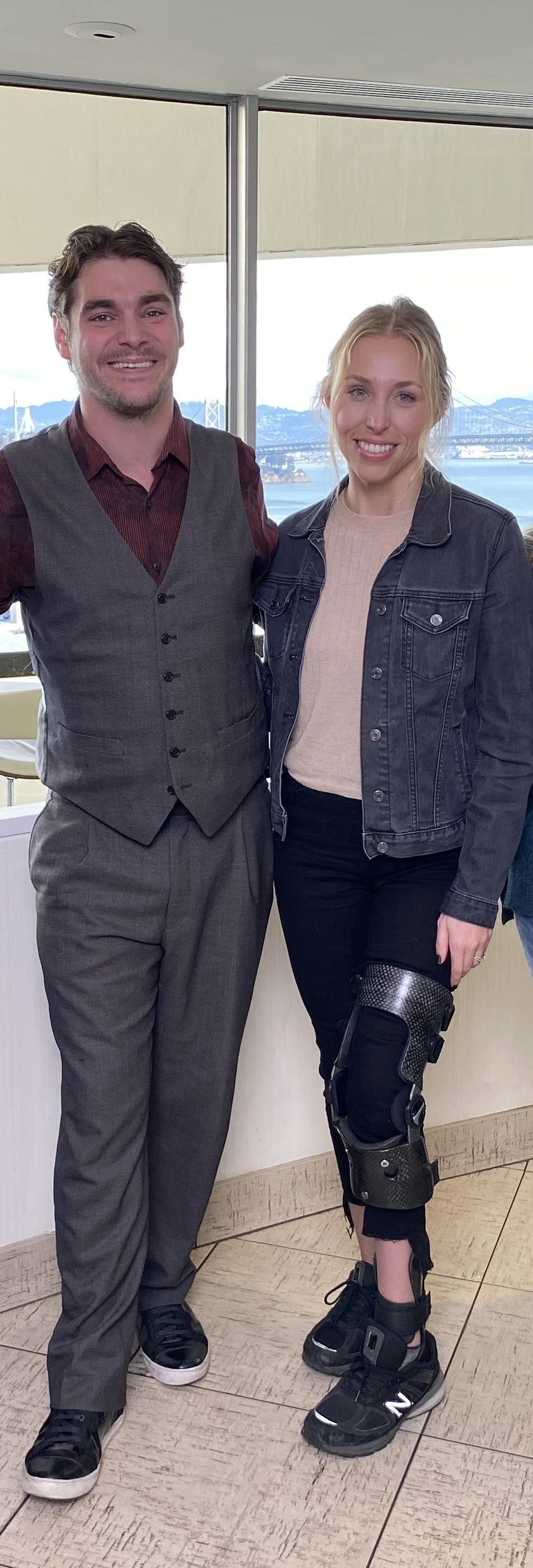
Here’s a couple photos from times where our paths crossed in the cerebral palsy community.
— 2012 and a decade later in 2022 —
Rest in peace, RJ Mitte
For anyone reading this who is out there, right now, and struggling, please know that you are not alone. Call or text 988 to speak to someone who is trained to help or reach out to someone you know. You don’t have to go through this alone.
