CPstrong Community Stories: Maddie
By Madison Sposato
I didn’t grow up thinking I was overcoming anything; I was just growing up with cerebral palsy quietly woven into my everyday life. It was never something I questioned or labeled as a challenge, it was simply part of who I was from the very beginning. I was born prematurely, seven weeks before my due date. When my mother gave birth, doctors diagnosed me with spastic hemiplegia cerebral palsy. My legs were extremely stiff, and my knees were pressed together, early signs that something was different about how my body moved. Further evaluation showed that the cerebral palsy was mild compared to other cases and primarily affected the right side of my body. At the time, these details mattered far more to the doctors than they did to me.
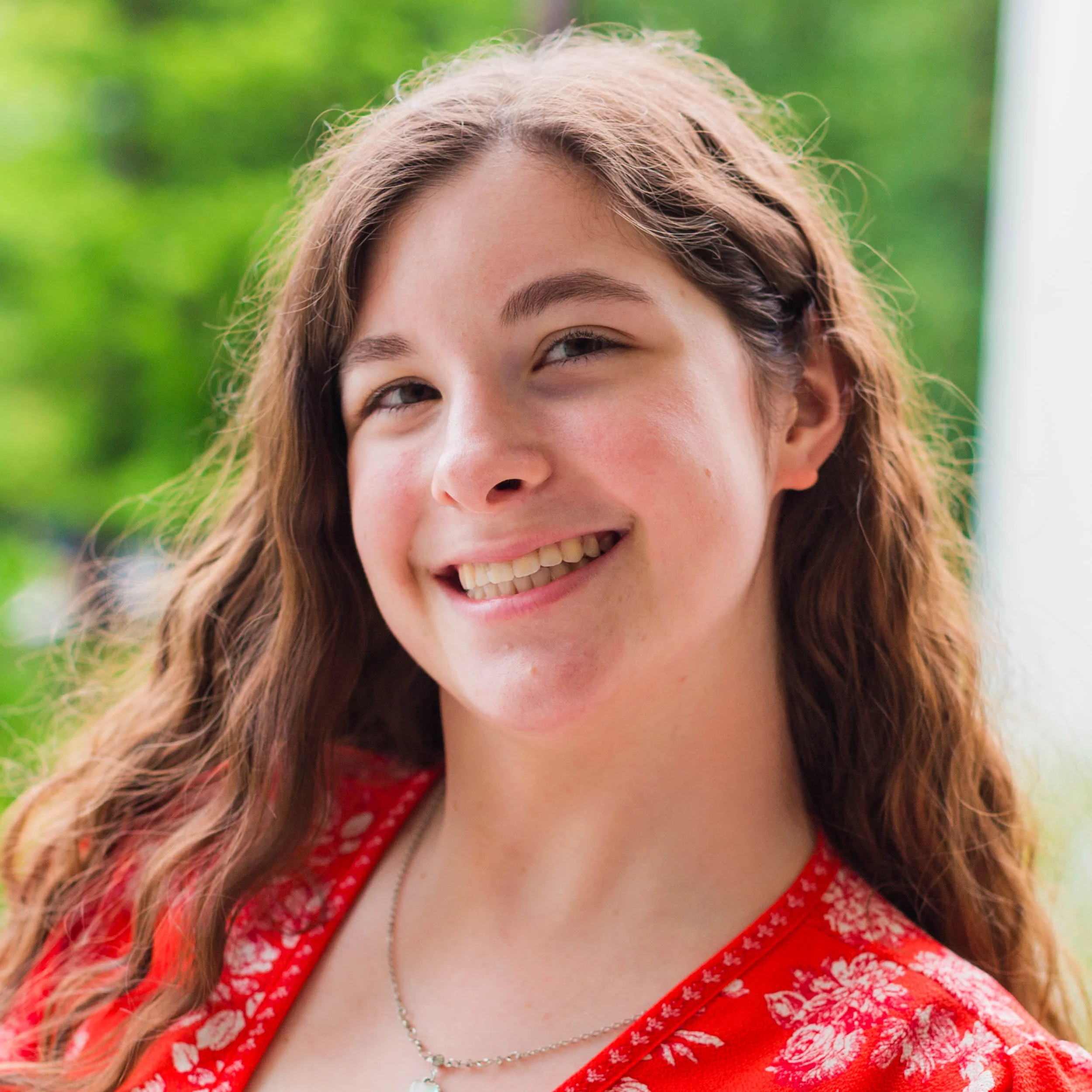
Meet Maddie!
As a child, I wasn’t focused on medical terms or diagnoses. I was focused on learning, playing, and experiencing the world around me. Cerebral palsy wasn’t something I felt the need to overcome; it was simply the way my body existed as I learned how to navigate life. From those earliest moments, my story was never defined by limitations, but by adaptation and normalcy. Cerebral palsy was present, but it did not define my childhood, it lived alongside it. Throughout my childhood, physical therapy and regular checkups at Chapel Hill were constant.
In first grade, I underwent a major surgery, a femoral rotation, during which doctors repositioned my legs and secured them with metal pins. I woke up to both legs in casts, spread in a wide “V” shape. When I returned home, my father had built a ramp to help me enter the house, where I stayed until the spring semester began. Recovery was uncomfortable and restrictive. Showering required plastic-covered casts, sitting was awkward, and my mother often trimmed the cotton padding to prevent irritation. When I returned to school, classmates pushed me in a wheelchair. Because the bathroom doorway was narrow, my teacher would call my mother, who also worked at the school, and she and another teacher would carefully help me inside. This routine lasted until my cast was removed months later. Afterward, I had to relearn how to walk using a walker, which I quickly outgrew once I was caught racing down the hallway with it. The surgery left scars along my thighs, lasting reminders of that chapter of my life.
During elementary school, a therapist came to my home three times a week. The sessions were often painful, but she always kept me motivated. When I entered middle school, I began attending Abilitations Physical Therapy in seventh grade and continued there until I was eighteen years old. As I transitioned into adulthood, my therapist and doctors gradually stepped me out of regular treatment, encouraging me to stretch independently and return only if any issues arose.
I often felt self-conscious about my disability. I had a limp that became more pronounced when I was tired, and even though kids usually pointed it out out of curiosity rather than malice, it sent my anxiety through the roof. I would worry about what they were thinking, about how I looked, and whether I would fit in. Simple activities like walking down the hall or joining a game could feel overwhelming when I was acutely aware of how different I moved. As I grew older, I had an interview for the Rotary Scholarship. They asked me how challenges have shaped my life. I told them that I didn’t view cerebral palsy as a challenge, it was just part of my life. Those words shocked them and they later selected me to receive the scholarship. After that day, my perspective began to shift. I realized that my disability did not define me, it was simply a part of my story. I started being upfront with it, telling people on the very first day of class that I have cerebral palsy. Surprisingly, this honesty didn’t make me feel weaker; it made me feel stronger. By acknowledging it openly, I took control of the narrative instead of letting others’ curiosity or assumptions shape how I felt about myself.
Over time, I began to see my disability not as a limitation, but as something that adds character and depth, like seasoning in a pot. Just as spices transform a simple dish into something unique and memorable, my experiences with cerebral palsy have shaped who I am, influencing my resilience, empathy, and perspective. It has made me confident in ways I never imagined and taught me to embrace the qualities that make me different. I am proud to say that I am #CPStrong, a person defined not by what I struggle with, but by how I rise above it. Cerebral palsy has never been the story of my life; it has simply been a part of it. It shaped how I moved through the world, but it never limited how I experienced it. Growing up, I learned that difference does not have to mean difficulty; sometimes, it is just another way of living, learning, and becoming.
Thanks for reading Maddie’s story! Want to share your own story or experiences with cerebral palsy? Click the button below and fill out the form.